How To Cook Sausages?
What is Sausage?
Sausage is a type of meat product typically made from ground meat, fat, seasonings, and other flavorings. It is encased in a natural or synthetic casing and can be fresh, cooked, smoked, or cured. The term "sausage" comes from the Latin word "salsus," meaning "salted," reflecting the traditional method of preserving meat by salting it. Sausages are a versatile and popular food item found in many cuisines around the world, with a wide variety of types and flavors.
Components of Sausage
Meat: The primary ingredient in sausage is usually pork, but it can also be made from beef, chicken, turkey, lamb, or game meats. The choice of meat significantly affects the flavor and texture of the sausage.
Fat: Fat is essential in sausage making as it provides moisture and flavor. A typical sausage contains about 20-30% fat. Pork fat is commonly used due to its flavor and melting properties.
Seasonings: Seasonings and spices give sausages their distinctive flavors. Common seasonings include salt, pepper, garlic, paprika, fennel, sage, and nutmeg. Herbs, onions, and other flavorings can also be added.
Fillers and Binders: Some sausages contain fillers such as breadcrumbs, rice, or oatmeal to add bulk and texture. Binders like eggs or milk powder may be used to help hold the sausage mixture together.
Casings: Sausages are typically encased in a casing made from the cleaned intestines of animals (natural casings) or synthetic materials like collagen or cellulose. The casing helps shape the sausage and holds the ingredients together during cooking.
Types of Sausages
Fresh Sausages: These are made from raw meat and must be cooked before eating. Examples include breakfast sausages, Italian sausages, and bratwursts.
Cooked Sausages: These are fully cooked during the manufacturing process and only need to be reheated before eating. Examples include hot dogs, bologna, and mortadella.
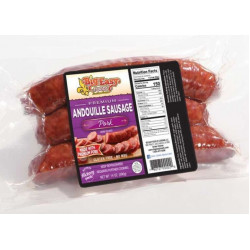
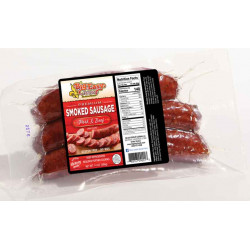
Smoked Sausages: These sausages are smoked after being cooked, adding a distinct smoky flavor. Examples include kielbasa and andouille.
Cured Sausages: These are made from meat that has been preserved through curing processes like salting, fermenting, or drying. Examples include salami, pepperoni, and chorizo.
Blood Sausages: Made with animal blood, these sausages have a unique flavor and texture. Examples include black pudding and morcilla.
Sausage-Making Process
Grinding: Meat and fat are ground to a specific coarseness depending on the type of sausage being made.
Mixing: Ground meat is mixed with seasonings, spices, and any additional ingredients. This step ensures an even distribution of flavors.
Stuffing: The sausage mixture is stuffed into casings using a sausage stuffer. The stuffed sausages are then twisted or tied into links.
Cooking/Curing: Depending on the type of sausage, the links may be cooked, smoked, or cured. Fresh sausages are typically cooked directly before eating, while cured sausages undergo a drying process.
Packaging: The finished sausages are packaged for sale. Fresh sausages are usually refrigerated, while cured sausages can be stored at room temperature.
Cooking Methods
Pan-Frying
- Instructions: Place sausages in a cold pan with a little oil. Heat the pan slowly, turning the sausages occasionally. This method ensures an even cook and prevents the casing from bursting.
- Tips: Avoid high heat to prevent the sausages from splitting. Adding a bit of water and covering the pan can help cook them through without drying out.
Grilling
- Instructions: Preheat the grill to medium. Place the sausages on the grill, turning them occasionally until they are evenly browned and cooked through.
- Tips: Pierce the sausages with a fork to allow excess fat to escape, which reduces flare-ups. Use indirect heat to prevent burning.
Baking
- Instructions: Preheat the oven to 350°F (175°C). Place sausages on a baking sheet and bake for 20-25 minutes, turning halfway through.
- Tips: Baking is a good method for cooking large batches. Ensure the sausages are spaced out to allow even cooking.
Boiling
- Instructions: Place sausages in a pot of cold water. Bring to a boil, then reduce heat and simmer for 10-15 minutes.
- Tips: Boiling is ideal for fresh sausages and ensures they are fully cooked. Finish them on a grill or in a pan for a crispy exterior.
Poaching
- Instructions: Similar to boiling, but keep the water just below boiling point (around 170°F or 75°C). Poach sausages for 20-30 minutes.
- Tips: This gentle method preserves the sausage’s juiciness and is excellent for delicate sausages like bratwursts.
Smoking
- Instructions: Use a smoker set to 225°F (107°C). Smoke sausages for 2-3 hours until they reach an internal temperature of 160°F (71°C).
- Tips: Smoking imparts a rich flavor and is perfect for cured sausages. Experiment with different wood chips for varied flavors.
Secret Tips for Perfect Sausages
- Temperature Control: Cook sausages slowly over moderate heat. High heat can cause the casings to burst and the insides to remain undercooked.
- Resting: After cooking, let sausages rest for a few minutes. This helps the juices redistribute, resulting in a juicier sausage.
- Pricking Sausages: This can be a contentious topic. Pricking sausages releases fat and prevents bursting but can also dry them out. For best results, cook slowly to avoid the need for pricking.
- Fat Content: Good sausages have a balanced fat content (about 20-30%). Too little fat results in dry sausages, while too much can cause flare-ups and greasiness.
- Seasoning: Proper seasoning is crucial. Fresh herbs, spices, and even a bit of sugar can enhance flavors. Marinating sausages before cooking can also add depth to their taste.
- Casing Care: If using natural casings, rinse them well to remove excess salt and ensure they are not too tight, as they can burst during cooking.
Conclusion
Mastering the art of cooking sausages involves understanding the different types and the best methods for cooking each. Whether you prefer pan-frying, grilling, baking, boiling, poaching, or smoking, paying attention to temperature and cooking time is key. By following these secrets and tips, you can enjoy perfectly cooked sausages with juicy interiors and crispy exteriors, full of robust flavors and textures.